
800.704.0986 comodo secure

  • Improving lives since 2002
  • Fast, Friendly Service
  • Free Nutritional Counseling

The key to health is eliminating toxicities and deficiencies! - Dr. William R. Kellas

shopping cartaccount login

 800.704.0986comodo secure
account loginshopping cart
Double Wood Ashwagandha – Stress, Sleep & Resilience Support
Scroll To Top
Double Wood Ashwagandha supplement bottle
Before and after: from wired and stressed to calm and centered
Stress Reset
Daily Support For A Nervous System On Overdrive

Why Double Wood Ashwagandha Belongs in Your Daily Routine

Most people now live in permanent “on” mode — tense by day, restless at night, and never fully restored.

  • Ashwagandha (Withania somnifera) is one of the rare adaptogenic herbs that speaks to that whole pattern.
  • It does not sedate you or rev you up; it trains your stress response to behave.

The above benefits happen best if the ashwagandha in your capsule is potent.

  • Most ashwagandha products are just ground root with ordinary, root potency.
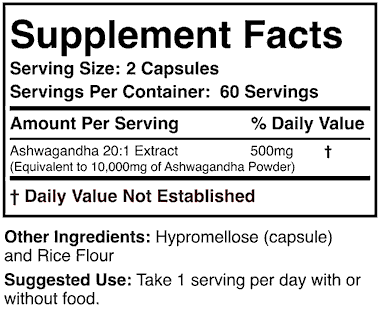
  • Our ashwghanda is 20 to 1, meaning that one 500 mg capsule is equivalent to 10,000 mg of standard ashwagandha powder.
  • Double Wood Ashwagandha is different on purpose: a focused, highly potent extract of the actives, produced under strict quality controls and third–party tested for identity, potency, and purity.
  • Every capsule delivers a meaningful, repeatable amount of active compounds, so when you take it daily you are not guessing — you are deliberately investing in a calmer nervous system, steadier days, and deeper nights of rest, and can develop your stack knowing what you're getting.

Each capsule delivers concentrated root extract providing withanolides, the key family of compounds in ashwagandha that have been studied for stress, sleep, and resilience benefits. The formula is intentionally simple so that ashwagandha can stack easily with magnesium, glycine, taurine, omega oils, sleep hygiene, breathwork, and everything else you are already doing to build a longer, healthier, calmer lifespan.

If a plant is going to live on your supplement shelf, it should pay rent in real benefits. Double Wood Ashwagandha is that kind of plant ally — the quiet upgrade that smooths your nerves, deepens your sleep, and thickens your emotional “buffer” so all your other good habits work even better, day after day.*

Smart Buyer Checkpoint

Why Double Wood Ashwagandha Instead of Just Any Ashwagandha?

Not all ashwagandha is created equal. Some products are mostly low–potency powder, some blend leaves and roots, and some are sourced with very little transparency. A daily ashwagandha that actually earns a place on your shelf should be:

  • Root–based, honoring the traditional use of ashwagandha roots rather than leaves alone.
  • Standardized, so the withanolide content is consistent from bottle to bottle instead of a guessing game.
  • Third–party tested, so you are not gambling on purity or contamination.
  • Simple and honest, with a label you can understand at a glance instead of decoding a proprietary blend.
  • Rooted in Stress & Nervous System Science — Built for Everyday Life
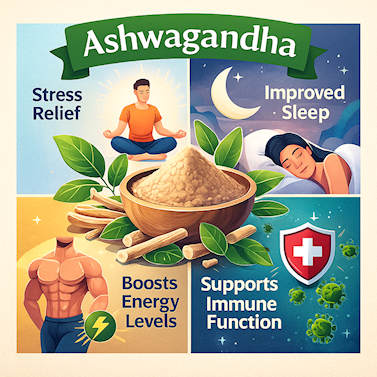
    ashwagandha features

    Double Wood Ashwagandha is for people who want to stay strong in a noisy world. It is not a sedative or a stimulant; it is a daily ally that gently reshapes how your stress response behaves so you can show up as yourself more often.*

    • Many people notice less internal “buzz” and a calmer baseline when dealing with work, family pressures, and constant notifications.*
    • As the nervous system calms, sleep often improves: easier time falling asleep, fewer wakeups, and more refreshing mornings.*
    • A more balanced stress response can support healthier appetite, fewer stress–driven cravings, and more consistent energy.*
    • Combined with movement, smart nutrition, and other foundational habits, ashwagandha helps build a nervous system that bends instead of breaking.*

    Instead of waiting for the body to burn out from chronic stress and sleep debt, Double Wood Ashwagandha helps you invest in resilience now.

Ashwagandha as a Force Multiplier

Our philosophy stays the same: food is the foundation. Whole foods, adequate protein, minerals, and healthy fats come first. Once that base is in place, targeted tools like Double Wood Ashwagandha can multiply the benefits by helping your body handle stress more gracefully and recover more completely between challenges.*

In plain language, ashwagandha can help you:*

  • Take the edge off day-to-day stress
  • Drift into deeper, more restorative sleep
  • Protect long-term health by easing the wear and tear of constant pressure

How Ashwagandha Supports Stress, Sleep & Longevity

Ashwagandha is best known for modulating the hypothalamic–pituitary–adrenal (HPA) axis — the circuit that helps control cortisol and many downstream stress signals. Over time, this can help transform a triggered, jumpy state into a calmer, more steady baseline. That calmer baseline is what allows good sleep, better decision–making, and healthier long–term choices to become normal instead of heroic.*

Chronic stress and poor sleep are some of the strongest accelerators of biological aging. By helping your system downshift out of constant “fight or flight,” ashwagandha supports the very things that protect health span: restorative sleep, smoother blood pressure and heart rate, fewer frantic stress spikes, and a mind that can pause instead of race.*

Ashwagandha does not replace hard work, wise habits, or faith. It simply makes those efforts easier to sustain by giving your nervous system more margin. Over years, that extra margin is exactly what can translate into more relaxed years of life, more present moments with loved ones, and a brain that still feels like “you.”

Ingredient Spotlight

What Ashwagandha Actually Is

Ashwagandha is a small shrub in the nightshade family. In Ayurveda, its roots have been used for centuries to support strength, calm, fertility, clear mind, and longevity. Modern analysis identifies withanolides and related compounds as key actors in how ashwagandha influences the stress response, sleep architecture, immune tone, and nerve function.*

How to Use Double Wood Ashwagandha

Typical use is 1 to 2 capsules once or twice daily, with water, or as directed by your healthcare professional. Many people do well taking ashwagandha in the evening to support unwinding and sleep; others prefer a split schedule (morning and evening) to smooth stress across the full day.*

Consistency matters:

Because ashwagandha is an adaptogen, its best effects come with consistent use over weeks rather than a single large dose. Plan on taking it daily for at least several weeks to judge its impact on your stress, sleep, and resilience.
Double Wood Ashwagandha Ordering Form

Suggested Retail Price: $24.95
Our Price : $19.95  

Size: 
Quantity: 


Double Wood
Ashwagandha

Double Wood Ashwagandha supplement facts
Double Wood Ashwagandha bottle

How to Use Double Wood Ashwagandha

Typical use is 1 to 2 capsules once or twice daily, preferably at the same times each day, or as directed by your healthcare professional. Many people find that taking ashwagandha in the evening helps with relaxation and sleep, while others prefer a morning dose for daytime calm.

For best results, use consistently. Adaptogens do their best work over time. Most people should plan on using ashwagandha daily for at least 4–8 weeks to fully evaluate its benefits for stress, sleep, mood, and resilience.


Ashwagandha — Frequently Asked Questions

What makes this ashwagandha worth taking daily?

Simplicity, standardization, and honesty. Double Wood Ashwagandha focuses on one herb, rooted in tradition and updated with modern extraction and third–party testing. It does not hide behind a proprietary blend or sprinkle; it offers a meaningful, consistent dose of a herb that deserves to be taken seriously.*

Will it make me sleepy during the day?

Most people find that ashwagandha smooths stress without knocking them out. Some people feel more relaxed or mentally quiet, so if you are very sensitive, start with evening use first. Once you understand how it feels in your body, you can adjust timing so it supports your day instead of disrupting it.*

How long until I notice benefits?

Some people notice changes in a few days: less reactivity, easier sleep, a thicker emotional “buffer.” For others, the shift is more gradual and becomes obvious after 2–4 weeks: fewer bad nights, less feeling “fried,” and a sense that life is still busy but less overwhelming.*

Can I combine ashwagandha with magnesium, glycine, omega oils, etc.?

Yes. Ashwagandha pairs beautifully with magnesium, glycine, taurine, omega–3 oils, vitamin D3, K2, and the other foundational nutrients and practices you are already using. Together they create a more complete foundation for resilience instead of relying on any one “magic” ingredient.*

Does this replace lifestyle change?

No. Ashwagandha is a helper, not a substitute. It is designed to make wise choices — nourishing food, movement, sleep, relationships, spiritual practices — work even better. It does not make up for a life that is fundamentally out of alignment, but it can help you find the energy and calm to bring that life back into alignment.*

*These statements have not been evaluated by the Food and Drug Administration. This product is not intended to diagnose, treat, cure, or prevent any disease.

Click on the topics below to see how Ashwagandha supports your body:

How Ashwagandha Supports Stress Resilience & Calm Focus

  • Helps modulate the HPA axis, the master control loop for cortisol and other stress signals.*
  • Supports a calmer, more centered mental state so you can respond instead of simply react.*
  • Pairs naturally with breathwork, micro–breaks, and movement to keep your stress response flexible instead of brittle.*

How Ashwagandha Supports Restorative Sleep

  • Helps the nervous system shift out of “fight or flight” at night so you can enter deeper sleep.*
  • Combines well with magnesium, glycine, taurine, and a dark, quiet room to build a powerful sleep routine.*
  • Better sleep quality feeds into stronger immunity, steadier mood, and better thinking the next day.*

How Ashwagandha Supports Mood

  • Helps many people feel more emotionally buffered against daily frustrations and stresses.*
  • Supports long–term brain and nervous system health as part of a broader plan.*
  • Works best when combined with connection, movement, sunlight, and meaningful routines.*

Making Ashwagandha Part of a Serious Healthspan Plan

  • Stack with magnesium, omega–3s, vitamin D3/K2, high–quality protein, and PQQ/NMN or similar for a strong nervous system and longevity base.*
  • Combine with “analogue” practices (walks, prayer, meditation, breathwork, heat/cold) to create deep resilience.
  • View ashwagandha as a long–term ally, not a quick fix; its real value compounds as weeks turn into years.*

    Studies Regarding Ashwagandha

  • Chandrasekhar et al., 2012 – Indian Journal of Psychological Medicine
    “A Prospective, Randomized Double-Blind, Placebo-Controlled Study of Safety and Efficacy of a High-Concentration Full-Spectrum Extract of Ashwagandha Root in Reducing Stress and Anxiety in Adults.”
    Adults with chronic stress taking standardized root extract for 60 days showed significantly lower perceived stress and serum cortisol versus placebo, supporting an adaptogenic effect via HPA-axis modulation.
  • Salve et al., 2019 – Cureus
    “Adaptogenic and Anxiolytic Effects of Ashwagandha Root Extract in Healthy Adults: A Double-Blind, Randomized, Placebo-Controlled Clinical Study.”
    Healthy adults supplemented for 60 days had reduced stress and anxiety scores and improved well-being, consistent with ashwagandha acting as a nervous-system adaptogen.
  • Lopresti et al., 2019 – Medicine (Baltimore)
    “An Investigation into the Stress-Relieving and Pharmacological Actions of an Ashwagandha (Withania somnifera) Extract: A Randomized, Double-Blind, Placebo-Controlled Study.”
    Standardized extract for 60 days reduced perceived stress, anxiety and cortisol, suggesting modulation of the hypothalamic–pituitary–adrenal (HPA) axis and autonomic balance.
  • Pandit et al., 2024 – Nutrients
    “Effects of Withania somnifera Extract in Chronically Stressed Adults: A Randomized Controlled Trial.”
    Multiple doses (125–500 mg/day) over 8 weeks produced dose-responsive reductions in Perceived Stress Scale scores and stress-related biochemical markers, confirming stress-relief and good safety.
  • Langade et al., 2019 – Cureus
    “Efficacy and Safety of Ashwagandha (Withania somnifera) Root Extract in Insomnia and Anxiety: A Double-Blind, Randomized, Placebo-Controlled Study.”
    In people with insomnia and anxiety, 10 weeks of root extract improved sleep onset, sleep quality, and anxiety scores versus placebo.
  • Langade et al., 2021 – Journal of Ethnopharmacology
    “Clinical Evaluation of the Pharmacological Impact of Ashwagandha Root Extract on Sleep in Healthy Volunteers and in Subjects with Insomnia.”
    Ashwagandha improved objective and subjective sleep parameters and daytime alertness, supporting sleep-promoting and mild sedative effects without major safety issues.
  • Deshpande et al., 2020 – Sleep Medicine
    “A Randomized, Double-Blind, Placebo-Controlled Study to Evaluate the Efficacy and Safety of Ashwagandha Root Extract in Improving Sleep Quality in Healthy Adults.”
    Six weeks of supplementation improved overall sleep quality scores and sleep onset latency compared with placebo.
  • Cheah et al., 2021 – PLOS ONE
    “Effect of Ashwagandha (Withania somnifera) Extract on Sleep, Mental Alertness on Rising, and Quality of Life in Healthy Adults.”
    Participants taking extract had better sleep quantity and quality, improved morning alertness, lower anxiety, and enhanced quality-of-life indices.
  • Sprengel et al., 2025 – Nutrients (Meta-analysis)
    “Ashwagandha (Withania somnifera) Supplementation and Sleep: A Systematic Review and Meta-analysis.”
    Pooling five randomized trials (~400 participants) showed significant improvements in total sleep time, sleep efficiency, sleep onset latency, and overall sleep quality versus placebo.
  • Tóth-Mészáros et al., 2023 – Phytomedicine
    “The Effect of Adaptogenic Plants on Stress: A Systematic Review and Meta-analysis.”
    Across randomized trials in mentally stressed adults, Withania somnifera significantly decreased serum cortisol and Perceived Stress Scale scores, reinforcing its classification as a cortisol-modulating adaptogen.
  • Wankhede et al., 2015 – Journal of the International Society of Sports Nutrition
    “Examining the Effect of Withania somnifera Supplementation on Muscle Strength and Recovery: A Randomized Controlled Trial.”
    Untrained men performing resistance training plus ashwagandha for 8 weeks gained more muscle strength and mass and lost more body fat than placebo, with higher post-intervention testosterone.
  • Ziegenfuss et al., 2018 – Journal of the International Society of Sports Nutrition
    “Effects of an Aqueous Extract of Withania somnifera on Strength Training Adaptations and Recovery: The STAR Trial.”
    Recreationally active men taking 500 mg/day during 12 weeks of training had larger increases in upper and lower body strength and better body-composition changes, with good tolerability.
  • Tiwari et al., 2021 – Journal of Ethnopharmacology
    “A Double-Blind, Randomized, Placebo-Controlled Trial on the Effect of Ashwagandha Root Extract in Improving Cardiorespiratory Endurance and Recovery in Healthy Athletic Adults.”
    Ashwagandha significantly improved VO₂max and cardiorespiratory endurance tests in athletes compared with placebo, indicating support for aerobic capacity and recovery.
  • Pérez-Gómez et al., 2020 – Nutrients (Meta-analysis)
    “Effects of Ashwagandha (Withania somnifera) on VO₂max: A Systematic Review and Meta-Analysis.”
    Across four trials, supplementation increased VO₂max by about 3 mL/kg/min on average, in both athletes and non-athletes, suggesting improved cardiovascular fitness.
  • Guo et al., 2024 – Frontiers in Nutrition
    “The Benefits of Ashwagandha (Withania somnifera) on Antioxidant Response and Physical Sports Performance.”
    Narrative review concluding that ashwagandha improves antioxidant defenses (SOD, CAT, GPx) and supports strength, endurance, and exercise recovery in multiple human trials.
  • Bonilla et al., 2021 – Sports
    “Effects of Ashwagandha (Withania somnifera) on Physical Performance: A Review.”
    Summarizes clinical trials showing gains in strength, power, sprint performance, and time-to-exhaustion, likely mediated by reduced exercise-induced oxidative stress and improved adaptation.
  • Mahdi et al., 2011 – Evidence-Based Complementary and Alternative Medicine
    “Withania somnifera Improves Semen Quality in Stress-Related Male Infertility.”
    Three months of root powder improved sperm concentration, motility, and antioxidant status and increased testosterone in infertile men with high stress.
  • Ambiye et al., 2013 – Evidence-Based Complementary and Alternative Medicine
    “Clinical Evaluation of the Spermatogenic Activity of Ashwagandha Root in Oligospermic Males.”
    Ashwagandha significantly increased semen volume, sperm count, and motility and raised serum testosterone and luteinizing hormone compared with placebo.
  • Shukla et al., 2011 – Reproductive BioMedicine Online
    “Withania somnifera Improves Semen Quality by Combating Oxidative Stress and Cell Death and Improving Essential Metal Concentrations.”
    Treatment decreased seminal oxidative stress and apoptosis markers and improved sperm parameters, pointing to antioxidant and cytoprotective mechanisms in the testes.
  • Nasimi Doost Azgomi et al., 2018 – Andrologia
    “Comparative Evaluation of the Effects of Withania somnifera on Semen Parameters in Infertile Men.”
    Supplementation increased sperm count, progressive motility, and normal morphology, further supporting fertility benefits.
  • Durg et al., 2018 – Review / Meta-analysis Cited in JISSN and Other Sources
    “Role of Withania somnifera in the Management of Male Infertility.”
    Pooled clinical data showed consistent increases in sperm concentration, semen volume, sperm motility, and serum testosterone / LH after ashwagandha, reinforcing its use as a male reproductive tonic.
  • Lopresti et al., 2019 – American Journal of Men's Health
    “A Randomized, Double-Blind, Placebo-Controlled, Crossover Study Evaluating Ashwagandha Extract on Hormonal and Vitality Measures in Overweight Men.”
    Eight weeks of extract increased DHEA-S and testosterone and improved self-reported vigor and fatigue, suggesting endocrine and energy-supportive effects.
  • Sharma et al., 2018 – Journal of Alternative and Complementary Medicine
    “Efficacy and Safety of Ashwagandha Root Extract in Subclinical Hypothyroid Patients: A Double-Blind, Randomized, Placebo-Controlled Trial.”
    600 mg/day of root extract for 8 weeks normalized TSH, T3, and T4 in many patients with subclinical hypothyroidism, without major adverse events.
  • Wiciński et al., 2023 – International Journal of Molecular Sciences
    “Can Ashwagandha Benefit the Endocrine System?”
    Review summarizing human data indicating that ashwagandha may support thyroid function in subclinical hypothyroidism, modulate sex hormones, and modestly improve metabolic markers (lipids, glucose) through anti-inflammatory and antioxidant pathways.
  • Bhattacharya & Muruganandam, 2003 – Pharmacology Biochemistry and Behavior
    “Adaptogenic Activity of Withania somnifera: An Experimental Study Using a Rat Model of Chronic Stress.”
    Chronic ashwagandha treatment normalized stress-induced alterations in corticosterone, blood glucose, gastric ulceration, and cognitive impairment, establishing its classic antistress adaptogenic profile.
  • Bhattacharya et al., 1997 – Phytomedicine
    “Antioxidant Activity of Glycowithanolides from Withania somnifera in Chronic Footshock-Induced Perturbations.”
    Glycowithanolides increased brain superoxide dismutase, catalase, and glutathione peroxidase and reduced lipid peroxidation in rat frontal cortex and striatum, supporting robust endogenous antioxidant up-regulation.
  • Singh et al., 2007 – Phytotherapy Research
    “Withania somnifera Inhibits NF-κB and AP-1 Transcription Factors in Human Peripheral Blood and Synovial Fluid Mononuclear Cells.”
    Root extract suppressed LPS-induced TNF-α, IL-1β, and IL-12 and inhibited NF-κB/AP-1 activation, clarifying an anti-inflammatory and immunomodulatory mechanism relevant to chronic inflammation.
  • Sun et al., 2016 – Molecular Neurobiology
    “Withania somnifera and Its Withanolides Attenuate Inflammatory Responses in Microglial Cells.”
    Withaferin A and withanolide A reduced inflammatory mediators and oxidative stress in activated microglia, indicating direct neuroimmune modulation in the central nervous system.
  • Epuri et al., 2023 – Bioinformation
    “Anti-Oxidative/Neuro-Inflammation Properties of Withania somnifera Root Extract on Rotenone-Induced Stress in Rat Brain.”
    Treatment decreased lipid peroxidation and restored SOD, catalase, and glutathione levels in rotenone-treated brains, reducing neuroinflammatory markers and supporting neuroprotective antioxidant effects.
  • Shaikh et al., 2024 – Frontiers in Neuroscience
    “Gulf War Toxicant-Induced Effects on the Hippocampal Dendritic Arbor Are Reversed by Treatment with a Withania somnifera Extract.”
    In a mouse model of Gulf War illness, ashwagandha restored hippocampal dendritic length and spine density toward normal, suggesting structural neuroprotection and support for synaptic plasticity.

Copyright 2002 - 2025. All rights reserved.

These statements have not been evaluated by the Food and Drug Administration. No product mentioned herein is intended to diagnose, treat, cure or prevent any disease. If you are pregnant, nursing, taking medication, or have a medical condition, consult your physician before making any lifestyle change, including trying a new product or food.

The information on this website is intended as a sharing of knowledge and information from the research and experience of the Healthy-Living.Org staff and contributors. It is not intended to replace a one-on-one relationship with a qualified health care professional and it is not intended as medical advice. You should not use the information on this site for diagnosis or treatment of any health problem or for modification of any medication regimen. You should consult with a healthcare professional before starting any diet, exercise or supplementation program, before starting or discontinuing any medication, or if you suspect you have a health problem. You should keep in mind that cited references to ongoing nutritional scientific study are most likely not accepted by the FDA as conclusive. These references and mentions of benefits experienced by others are disavowed as product claims and are only included for educational value and as starting points for your own research. No food or supplement can be considered safe for all individuals. What may benefit 999,999 of a million people may harm you. Therefore, no one can take responsibility for your health except you in concert with your trusted health professional.