


Ricotriene — Soluble, Stabilized Rice Bran
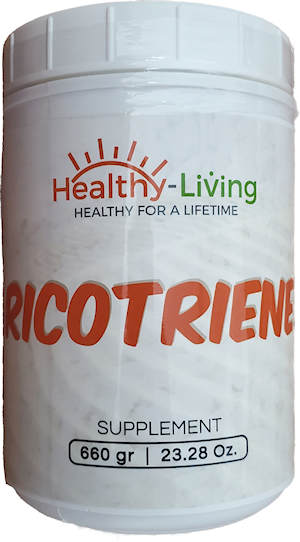
This is the Original, Predigested, Great-Tasting, Rice Bran — Super Risotriene Food – Made Famous by Integris, Dr. Mark Drucker, and Dr. William Kellas
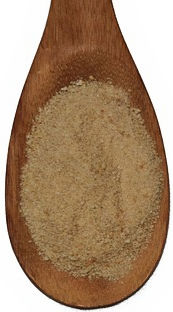
Now Returned to Original Spray-Dried Standard (Darker, Denser, Less Processed, More Goodness)
What Ricotriene - Risotriene (pronounced Rye - So - Try - eeN) Is:
- Ricotriene, formerly known as Risotriene and Life Solubles, is an ultra-pure rice bran and germ powder that is:
- 1 — Grown without pesticides to preserve purity from soil to spoon.
- 2 — Uncooked and free from harsh chemical processing, protecting fragile nutrients.
- 3 — Stabilized at its peak, preventing oxidation while maintaining full-spectrum compounds.
- 4 — Predigested for absorption, easing assimilation and reducing digestive burden.
- 5 — Completely free of additives, fillers, sweeteners, or artificial enhancement.
- Ricotriene offers exceptional nutritional value and health benefits. Its deeper color is evidence of more intact nutrients.
- With its naturally pleasant taste, Ricotriene can be enjoyed by the spoonful or mixed into food and beverages.
- Originally introduced by Patty Mayhew and Dr. William Kellas — renowned for his work with Integris Global and the Center for Advanced Medicine — this remarkable product has long been recognized for its role in health maintenance and restoration.
- Over the years, Ricotriene has been marketed under various names, including Risotriene, Life Solubles, and Ricatein. Earlier “lighter” versions were more processed and more aerated.
- The return to the original spray-dried standard restores the density and integrity that first made Ricotriene® respected in clinical circles. It is pure, potent, and rich in healing nutrients. No other rice bran product matches its unparalleled quality and effectiveness.
Ricotriene Exists Because Something Was Discovered — And Almost Lost
For most of human history, the bran of rice has been discarded. When rice is polished for storage and cooking, the fragile outer layer — rich in delicate oils and nutrient complexes — is removed. It spoils quickly. It turns rancid within hours. And so it was thrown away.
Yet an important observation changed everything. It was noted that children fed freshly separated rice bran — what many considered “rice discards” — appeared stronger, more resilient, and healthier. What had been treated as waste was in fact a nutritional powerhouse.
The problem was not value. The problem was preservation. Fresh rice bran must be used within roughly an hour before its delicate lipid fractions oxidize and degrade. Cooking destroys much of its fragile architecture. Chemical stabilization compromises it. That's why for most of human history, rice's most valuable components were either discarded or ruined.
Ricotriene represents the breakthrough: a method of stabilizing uncooked rice bran so its fragile nutrient complexes remain intact — whole, viable, and bioavailable.
Why Ricotriene Is Different
For more than 30 years, Ricotriene has quietly set the standard for stabilized rice bran nutrition. Produced with meticulous care and protected from excessive heat and harsh chemical processing, it preserves the delicate oils, tocotrienols, and naturally occurring cofactors that lesser methods often compromise.
Ricotriene delivers a rare concentration of stabilized rice bran fractions that support cellular integrity and metabolic balance throughout the body. Particularly supportive of neurological tissue, digestive linings, skin, brain, and visual function, it provides naturally occurring tocotrienols, essential lipids, and cofactors that help maintain healthy insulin receptor responsiveness and balanced glycemic signaling.
Ricotriene is health supporting and helps with steadier energy, clearer mood, and resilient tissue function — in a nutrient-dense, hypoallergenic form designed for deep nourishment rather than surface stimulation.
Why Preservation Matters
- Protected from Oxidation: Fragile lipid fractions are stabilized before rancidity can destroy them.
- Gentle, Not Aggressive: No harsh chemical stabilization or destructive high-heat treatment.
- Predigested for Assimilation: Because it is gently predigested, its nutrients are readily assimilated — suitable across the lifespan and especially supportive of tissues with higher nutritional demands such as nervous tissue and skin.
- Low Heavy Metal Exposure: Cultivated and processed with purity in mind. For instance, one could eat 122 servings of Ricotriene per week and stay within "safe" levels of arsenic .
The Three Nutrient Complexes That Make It Valuable
The value of Ricotriene lies largely in three groups of nutrients contained in raw rice bran — compounds rendered inactive by cooking and chemical processing, and therefore only viable when obtained from an uncooked, non-chemically treated source.
Those nutrient complexes are known as Gamma Oryzanol , Tocotrienols , and Pangamic Acid .
Alongside them exists a naturally balanced spectrum of phytonutrients created by sunlight and mineral-rich soil — micro-dosed in proportions no laboratory assembly can replicate.
Ricotriene does not attempt to reconstruct nutrition. It preserves a discovery that history almost discarded.
Ricotriene may be especially supportive for individuals experiencing:
Muscle fatigue or metabolic acid buildup after exertion
High physical or neurological stress
Digestive lining sensitivity or occasional irritation
Irregular bowel patterns or digestive discomfort
Difficulty maintaining focus or mental clarity
Trouble falling or staying asleep
Blood sugar fluctuations or metabolic imbalance
Widespread muscle tenderness or tension
Visual strain or oxidative stress
Imbalanced gut flora or microbial stress
Increased nutritional demands during periods of physiological stress or recovery
Seven Reasons Why Ricotriene is Better Than Other Rice Bran Products
- Virtually Phytate-Free — Ordinary rice bran is extremely high in phytates, compounds that bind minerals and reduce their absorption. Through its gentle predigestion process, Ricotriene contains negligible phytate — approximately 2,700 times less than brown rice — allowing minerals to remain bioavailable rather than bound.
- Stabilized Within Seconds of Milling — Without Heat or Chemicals — Fresh rice bran begins oxidizing immediately after separation from the kernel and becomes rancid within hours if left untreated. Many stabilization methods rely on high heat or chemicals that damage fragile nutrients. Ricotriene undergoes a proprietary stabilization process that preserves its delicate oils and cofactors without destructive heat or chemical intervention.
- Filtered for Digestability — Insoluble fiber is removed — leaving only the digestible portions (increasing nutrient density).
- Gently Predigested for Maximum Accessibility — The stabilization process further prepares the rice bran fraction, making its nutrients more accessible for individuals with sensitive or compromised digestion.
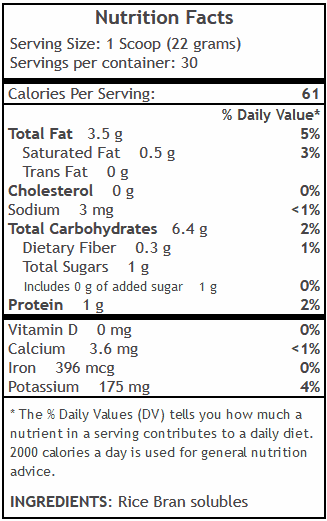
- Nutrient Dense, Calorie Modest — Ricotriene delivers concentrated nutrient fractions while remaining light in caloric load (approximately 61 calories per serving).
- Hypoallergenic and Broadly Tolerated — Designed to be highly assimilable, Ricotriene is well tolerated across the lifespan, providing balanced nutrient tools that support cellular maintenance and resilience.
- Rich in Tocotrienols and Gamma Oryzanol Complexes — These naturally occurring compounds support cellular integrity, metabolic balance, digestive lining resilience, and healthy receptor responsiveness. Learn more below.

When you Want Your Body to Heal Fast, Feed it Several Scoops of Ricotriene Each Day!
Keep doing that for several months to help heal organs, bones and tissues and two years for nerves and brain tissue.
- Ricotriene is not a vitamin. It is a highly dense mineral and phyto nutrient rich food — a dense, assimilable matrix of phytonutrients, antioxidants, co-enzymes, and co-factors that work together the way nature designed them to. Hypoallergenic. Digestible. Usable by virtually everyone.
- Rice is uniquely nutrient-dense because of how it grows. It develops in full sunlight, rooted in mineral-rich, water-saturated soils. The grain absorbs and organizes hundreds of protective compounds created through the interaction of sun, water and earth.
-
Modern nutrition isolates.
Ricotriene concentrates.
At least 107 distinct antioxidants have already been identified in stabilized rice bran — and antioxidants do not work alone. They perform exponentially better in teams.
Together, they help defend cellular DNA from free radical damage — the quiet deterioration underlying premature aging and disease.
- Ricotriene contains more tocotrienols than any other known food source. Tocotrienols have been shown to be up to thousands of times more potent in neutralizing oxidative stress than conventional Vitamin E.
-
Ricotriene delivers raw nutritional density that is difficult to obtain elsewhere in the modern diet.
Within it are naturally occurring:
- A broad spectrum of fat-soluble and water-soluble vitamins including A, C, D, E, K and the full B-complex.
- Trace and macro minerals drawn from mineral-rich wet soils — magnesium, zinc, selenium, chromium, manganese, iodine and more.
- CoQ10, tocopherols, tocotrienols, lutein, lycopene, gamma oryzanol, beta-sitosterol, ferulic acid, glutathione, lipoic acid and dozens of additional antioxidant compounds not yet fully catalogued.
- A complete profile of amino acids that serve as structural and repair building blocks for human tissue.
- Ricotriene is the world’s richest natural source of Gamma Oryzanol — a rare complex of molecules studied for its role in cellular resilience and tissue restoration.
- It is yeast-free, starch-free, gluten-free and sugar-free. No stimulation. No masking. Just density.
- The natural fatty acids and antioxidant network support steady energy production, metabolic balance, and cellular repair.
Unfortunately, those fragile compounds are largely destroyed during cooking. Eating rice does not deliver rice bran’s most valuable nutrition.
That nutrition only becomes accessible through the proprietary stabilization and separation method discovered by Patty Mayhew — a breakthrough that prevents rancidity while preserving delicate bioactive compounds.
Ricotriene is not refined. It is not isolated. It is not synthetic.
It is food — in concentrated form.
- The bran layer of rice — just 8% of the total kernel mass — contains roughly 70% of the grain’s nutrient density, including rare lipid-soluble antioxidant complexes such as Gamma Oryzanol and Tocotrienols.
- Rice bran also carries an extensive array of phytonutrients and trace minerals absorbed from mineral-rich wet soils and structured by full-spectrum sunlight during growth.
- Many of these bioactive compounds are fragile and degrade under heat. Cooking rice preserves calories — but significantly reduces access to its most delicate micronutrients.
- In whole rice, these nutrients are inseparable from the starch-rich endosperm. To obtain meaningful bran nutrition through whole grain intake alone would require consuming substantial carbohydrate loads — a mismatch for modern, lower-energy-expenditure lifestyles.
- Ricotriene contains only negligible levels of phytates (phytic acid). Conventional rice bran is naturally high in phytates, compounds known to bind minerals and reduce their bioavailability when consumed in large amounts.
- Freshly milled bran begins oxidizing rapidly due to its natural oil content. Without stabilization, rancidity can begin within hours — historically making long-term storage impossible.
- The separation and stabilization technique developed by Patty Mayhew solved this challenge — preserving the integrity of rice bran’s fragile compounds while preventing rapid oxidation.
Dr. Kellas later added a processing step of solubilizing the stabilized rice bran and predigesting it. It was Patty Mayhew and Dr. Kellas who brought this great discovery to the awareness of many people.
More About RicoTriene's Discovery and Value:
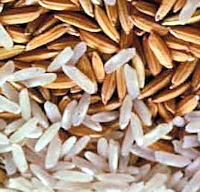
This picture shows paddy or whole rice kernels next to white rice kernels. The kernels appear to be about the same size because the brown part of the rice kernel makes up just 8% of the mass of the rice kernel. Interestingly, that 8% contains two-thirds of the total nutrition of rice. So, the brown part of rice is 30 times more nutrient dense than the white part.
Only the brown part is utilized in making Ricotriene.
Rice is one of the most eaten foods in the world. It's very nutrient-rich, growing in fertile soils and soaking up the sun's energy with which to make phytonutrients. Yet, most of rice’s nutrition is in the brown part of the rice kernel that is routinely discarded. And, when people do eat the more nutritious “brown” rice, they cook it — destroying much of the tremendous, but fragile nutrition in the germ and bran.
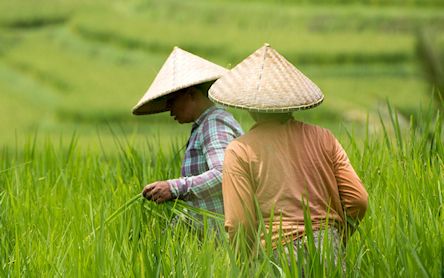
- Paddy, unmilled, or brown rice doesn't store well. If the bran is separated from the rice kernel, the bran goes rancid in just four hours. Unseparated, the brown rice goes rancid in a few months, while milled, white rice will store for many years. Because people want to eat rice all year and because it stores so well is the reason that most people eat white rice.
- Since most people only eat the white part of rice, with the brown part discarded, mankind is generally not accessing the tremendous phytonutrients and antioxidants that the sun, water, and soil have put into the bran and germ of rice. This is a huge and sad waste. But, until Ricotriene was discovered most of the nutrition of rice was always wasted.
- When people do eat whole rice (IE, brown rice), they routinely cook it. Most of the important and very fragile nutrients in brown rice are inactivated by cooking.
- Of course, the carbs aren’t destroyed by cooking. They will still be assimilated perfectly, and, unless a person is in the fat-burning mode, those carbs will likely add to that person's waistline. Most Americans are overfed on carbs and underfed on nutrients In past ages of history, carbs were more needed than today because people worked extensively and their bodies were more likely to be in the fat-burning mode. But today is a different time. If you’re like most people, you’re overfed on carbs, but underfed on nutrients. And, that's a great reason to add Ricotriene to your daily diet.
The Great Need of Modern People Is Nutrients, Not Calories!
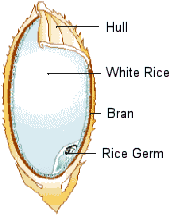
- Here is a blowup of a Rice Kernel showing the bran and germ from which Ricotriene comes. The bran and germ of the rice kernel contain nearly 70 percent of rice’s total nutrients but comprise only 8% of the mass of rice.
- Most people in the industrialized part of the world get plenty of calories/carbohydrates, i.e., fuel. We are, in fact, virtually always overfed on calories.
- Paradoxically, while we are overfed on calories, modern people are underfed in terms of nutrients, the very building blocks that maintain our cells and health. And since extracting calories from food uses up nutrients, we would be better off eating less calories in order to not waste what nutrients our body already has.
- Patty Mayhew believed that since the white part of the rice contains most of the calories and the brown part contains most of the nutrients it would be desirable to separate these two parts and begin eating more of the nutrient-dense bran and germ. She was absolutely right!
A Breakthrough Discovery Allows The Brown Part of Rice to Be Separated From the White Part Without the Onset of Rancidity
 During the 1980s, while visiting rural India, researcher Patty Mayhew (pictured here) noticed that when Indian children became sick, Indian mothers would rush to rice mills and obtain freshly discarded rice millings, mix these discards in water, and feed it to their children, who would then often quickly recover. She learned that this procedure had to be done immediately, within just a few hours, or else the rice millings would become rancid and unusable.
When she came back to the U.S., she and her team worked tirelessly to create a way of preventing the onset of rancidity in rice bran that had been separated from the white part of the rice. Her team found that the culprit was the lipase enzyme which would cause the bran to be destroyed. They found that cooking or chemical processing could stabilize the rice bran but would also destroy the very nutrition they were trying to access.
Finally, she and her team were able to perfect a non-destructive method for stabilizing the rice bran so it wouldn't go rancid. This process involves mechanical extrusion of the rice germ and bran, breaking the lipase enzyme which causes the onset of rancidity. So, now, the nutrient-dense portion of the rice kernel could be separated without rancidity occurring, and the shelf-stable product, Ricotriene came into existence.
With this discovery, for the first time in the history of man, rice’s tremendous nutrition is available without having to also eat all the carbohydrates in the whole rice kernel. A person would have to eat a bushel of white rice to equal the nutrition in a single canister of Ricotriene.
For vitamin pill takers, take note that because Ricotriene is a food, rather than a vitamin supplement, it contains numerous natural vitamins and other nutrients that man-made supplements can NEVER furnish. Laboratories cannot match nature in furnishing balanced nutrition.
How Ricotriene Is Made
Ricotriene is a granulated powder that is extracted from the brown outer layer of the paddy rice kernel in a three-step process.
- The germ and bran are stabilized by fracturing the lipase enzyme that otherwise causes rancidity. The fracturing is done in a proprietary mechanical extrusion process (like homogenization) with correctly sized holes through which the bran and germ are pushed.
- Insoluble fiber is removed via water filtration.
- What remains is then predigested — so that it is virtually perfectly assimilable by everyone.
- Finally, the predigested rice slurry is dried at a low temperature.
Ricotriene Supports Cellular Repair & Tissue Resilience
Ricotriene does not “heal.” Your body does that.
Ricotriene provides dense, bioavailable nutrient tools that cells use in their ongoing processes of maintenance, repair, and renewal.
Customers consistently report improvements in areas where cellular resilience matters most:
- Skin integrity — appearance of scars and texture over time.
- Exercise recovery — reduced post-exertion fatigue and muscle heaviness.
- Metabolic steadiness — more stable energy throughout the day.
- Tissue recovery — internal and external repair processes.
- Nerve comfort — especially in high-demand tissues.
- Cognitive clarity — focus, sleep quality, and mental steadiness.
Why Thousands Choose Ricotriene Daily
- Ricotriene is FOOD. Not an isolate. Not a synthetic. A structured nutritional system that the body recognizes.
- Nutrient density without caloric burden. Approximately 61 calories per serving.
- Gluten-free and hypoallergenic. Gentle enough for sensitive individuals.
- Natural, nut-like grain flavor. Easily mixed into water, milk, or whole foods.
- Exceptionally rich in Gamma Oryzanol. A rare lipid-soluble antioxidant complex studied for its role in supporting cellular integrity and physiological balance.
-
An antioxidant network — not a single compound.
At least 107 distinct antioxidants have been identified in stabilized rice bran.
Antioxidants function synergistically — and Ricotriene delivers them in their native ratios.
- Rich in tocotrienols — a highly mobile class of Vitamin E compounds recognized for their advanced antioxidant behavior.
- Supports sustained energy production. Naturally occurring B-complex nutrients and metabolic cofactors assist mitochondrial function and glucose utilization.
- Complete amino acid spectrum. Foundational building blocks for structural maintenance of tissues and organs.
- Highly assimilable. Stabilized for digestibility and rapid uptake.
- Stringent sourcing and stabilization standards. Rice bran and germ sourced from Montana and California’s Sacramento Valley, stabilized immediately after milling to preserve delicate bioactive compounds. Every batch is tested for purity before and after processing.
How Ricotriene Supports Human Physiology
- Supports efficient fuel utilization. The naturally occurring sterols, essential fatty acids, and metabolic cofactors in Ricotriene assist the body in mobilizing stored energy and maintaining steady cellular fuel flow.
- Encourages lipid balance. Plant sterols and antioxidant compounds are widely studied for their role in supporting healthy cholesterol metabolism and triglyceride balance.
- Promotes metabolic steadiness. Bioactive compounds in stabilized rice bran are associated with improved glucose utilization and balanced energy patterns.
-
Provides a robust antioxidant network.
More than 100 distinct antioxidant compounds work synergistically to help buffer oxidative stress — one of the primary contributors to visible aging and tissue wear.
- Rich in tocotrienols — an advanced class of Vitamin E compounds recognized for their mobility within cellular membranes.
- Supports structural integrity of skin and connective tissue. Essential fatty acids and lipid-soluble antioxidants contribute to cellular membrane resilience.
- Assists sustained physical performance. Naturally occurring B-complex nutrients and cofactors play a foundational role in mitochondrial energy production.
- Supports cellular renewal processes. Gamma Oryzanol and associated compounds are studied for their role in maintaining tissue integrity and adaptive repair mechanisms.
Five Important Facts About Ricotriene
- A 24-gram serving delivers the concentrated nutrient density found in approximately one pound of whole paddy rice — with only 61 calories.
- Ricotriene is uncooked and stabilized, preserving fragile lipid-soluble compounds that are typically reduced during heat processing.
- Ricotriene is whole-food structured. Nutrients exist in their native ratios and natural cofactors, supporting efficient assimilation.
- It contributes to balanced fuel utilization — assisting the body in maintaining stable energy throughout the day.
- Particularly supportive of high-demand tissues such as skin and neural structures due to its lipid-soluble antioxidant profile.
Who Should Use Caution
- Individuals with known rice allergies should avoid use.
- Those managing blood sugar levels with medication should consult a healthcare professional before introducing any concentrated nutritional product.
- As with any dense whole-food concentrate, begin with smaller servings and increase gradually to allow digestive adaptation.
- Ricotriene is nutrient-dense but not calorie-dense; it is not intended as a primary caloric source.
- Adequate hydration is recommended when consuming fiber-containing foods.
Antioxidants in Ricotriene
- Gamma Oryzanol (2200-3000ppm) Gamma Oryzanol is not a single component. It is a mixture of 20 components having different antioxidant properties:
- Cycloartenol trans-ferulate
- Cycloartenol cis-ferulate
- Cycloartanol trans-ferulate
- Cycloartanol cis-ferulate
- Cycloeucalenol trans-ferulate
- Cycloeucalenol cis-ferulate
- 24-Methylenecycloartanol trans-ferulate
- 24-Methylenecycloartanol cis-ferulate
- 24-Methylcholesterol trans-ferulate
- 24-Methylcholesterol cis-ferulate
- β-Sitosterol trans-ferulate
- β-Sitosterol cis-ferulate
- β-Sitostenol trans-ferulate
- β-Sitostenol cis-ferulate
- Stigmasterol trans-ferulate
- Stigmasterol cis-ferulate
- Stigmastenol trans-ferulate
- Stigmastenol cis-ferulate
- Campesterol trans-ferulate
- Campesterol cis-ferulate
- Tocopherols and Tocotrienols (220-320ppm) Tocopherols and tocotrienols belong to the same chemical group but exist in 10 different isomeric forms having different antioxidant properties.
- α-Tocopherol
- β-Tocopherol
- γ-Tocopherol
- δ-Tocopherol
- αTocotrienol
- β-Tocotrienol
- γ-Tocotrienol
- δ-Tocotrienol
- Desmethyl-tocotrienol
- Didesmethyl tocotrienol
- Polyphenols
- Ferulic acid
- α-Lipoic acid
- Methyl ferulate
- ρ-Coumaric acid
- ρ-Sinapic acid
- Isovitexin
- Proanthocyanidins
- Metal Chelators
- Magnesium (6250-8440ppm)
- Calcium (303-500ppm)
- Phosphorous (14700-17000ppm)
- Carotenoids (0.9-1.6ppm)
- α-Carotene
- β-Carotene
- Lycopene
- Lutein
- Zeaxanthine
- Phytosterols (21 Components) (2230-4400ppm)
- β-Sitosterol
- Campesterol
- Stigmasterol
- Sitostenol
- Δ5-Avinasterol
- Δ7-Stigmastenol
- Sterol glucoside
- Acylsterol glucoside
- Oligoglycosylsterol
- Monoglycosylsterol
- Cellotetraosylsitosterol
- Methylsterol
- Dimethylsterol
- Gramisterol
- Isofucosterol
- Obtusifoliol
- Branosterol
- 28-Homotyphasterol
- 28-Homosteasteronic acids
- 6-Deoxycastasterone-Amyrin
- β-Amyrin
- Amino Acids
- Tryptophan (2100)
- Histidine (3800)
- Methionine (2500)
- Cystein (336-448)
- Cystine (336-448)
- Arginine (10800)
- B-Vitamins
- Thiamine (22-31)
- Riboflavin (2.5-3.5)
- Niacin (370-660)
- Pantothenic acid (36-50)
- Pyridoxine (29-42)
- Betaine
- Dimethyl glycine
- Inositol (12000-18,800)
- Biotin (0.1-2.2)
- Choline (930-1150)
- Folate (0.20-0.30)
- Phytates (1500-1750)
- Polysaccharides
- Cycloartenol-ferulic acid glycoside
- Diferulic acid complex
- Diferulic acid-calcium complex
- Hemicelluloses
- Arabinogalactan
- Arabinoxylan
- Xyloglucan
- Proteoglycan
- Glycoprotein
- Arabinofuranoside
- Phospholipids
- PhosphatidylSerine
- PhosphatidylCholine
- Phosphatidylethanolamine
- Lysophophatidylcholine
- Lysophosphatidylethanolamine
- Enzymes
- Glutathione peroxidase
- Methionine reductase
- Superoxide dismutase
- Polyphenol oxidase
- Catalase
- Coenzyme Q10
- Aspartate amino transferase Isozyme AAT-1 & AAT-2Vitamin C
- Vitamin K
- Chromium (<1 ppm)
- Copper (0.07)
- Iodine
- Selenium
- Zinc (1.75)
How to Use Ricotriene in Your Daily Life
Ricotriene tastes great no matter how you eat it (or drink it). Some people eat it from a spoon. It has a taste in between ground-up nuts and malt. Others add several tablespoons to a smoothie, bowl of breakfast cereal, yogurt, or mix it into no-bake desserts. The only wrong way for taking Ricotriene is to cook it.
We recommend amounts as follows:
- Infants — 1 to 2 teaspoons from one to four times per day.
- Children — 1 tablespoon from one to four times per day.
- Adults — 2 to 4 tablespoons from one to four times per day.
Taking it more than once per day is very useful for healing and keeping blood sugar stable, while taking one serving a day is a minimum recommended for health maintenance.
Endorsements by wellness professionals are not scientific proofs. They are opinions. You must not rely on anyone’s opinion, that is not your own health professional. But, opinions are still nice, they give you a starting point for your own research and discussions with your health advisor. Click here to listen to an audio presentation by some of the health professionals below.

Dr. Mark Drucker, M.D. and Director for the Center for Advanced Medicine in Encinitas, California, states
“As a family physician and the medical director of the Center for Advanced Medicine, I'm in a great position to help patients who are sick and tired of being sick and tired. While most doctors still practice medicine with the goal of just suppressing symptoms (they have accepted the disease as part of their patient), I've tried to take a more holistic approach. Hypocrites, the father of medicine, said, "Nutrition shall be your medicine." So, at the Center, we use nutritional products to restore the body's biochemical balance, and we draw on the expertise of different specialists, such as chiropractors and massage therapists, to help people feel better.
For a long time we used different combinations of vitamins and minerals, all which had been synthesized in a laboratory. But what we really wanted to find was a natural food product that could achieve better results for our patients. Ricotriene was our answer. When we began using Ricotriene, we found that its nutrients are absorbed directly into the bloodstream, bringing fast results.
Our patients using Ricotriene make steady progress. There are also fewer allergic reactions because it's a natural food with no additives. Many of the chronic illnesses that we see are the result of improper membrane function. A membrane acts like a fence - it keeps your cow and horses separated. When it's not working right, allergies, high blood pressure, and other problems can get even worse and you general health degenerates.
Essential fatty acids are critically important, yet these are the nutrients people are least likely to have in their diets. People need the fat found in fish and cold-weather oils such as flax, sesame, and canola oils. However, the fat most people eat is not essential fat. It's commercial hydrogenated fat, the kind in chips, crackers, and fast food, and is like putting diesel fuel in a gasoline engine - it doesn't work. And if people are not ingesting the right kinds of fats, their bodies don't have the ability to convert commercial fat into essential fats like Omega 3, Omega 6, and Omega 9. Products like Ricotriene provide these essential fats.
It's a matter of getting back to basics. I learned all about nutritional medicine back in medical school, but I'm only beginning to realize its full importance to a persons health. Today's medical industry is based on a pharmaceutical approach - doctors take the easy way out by giving people drugs. If the medical profession would go back to thinking about the nutrients the body needs to function properly, we should all be more careful to incorporate nutrition and look at the whole picture of a patient's health, and use nutritional knowledge to help a patient get started on the road to better health.
Ricotriene improves my patients' health because it is a whole food that contains a symphony of nutrients.”

Dr. David Nelson, ND, nutritional consultant for the Center of Advanced Medicine in Encinitas, California says
“Ricotriene is the result of a specialized processing of rice concentrates and extracts. It's a superfood that provides the most nutritious complex available. It has 107 antioxidants, including tocotrienols, which have been found to be six thousand times more effective than vitamin E. The product is yeast-free, starch-free, and sugar-free, and its arsenal of antioxidants and fatty acids help boost energy and stamina and help regulate blood sugar.
We have athletes using this product as well as individuals with hypoglycemia and diabetes. Because Ricotriene is a food instead of a drug or supplement, there's no danger of overdosing on its antioxidants or its other substances. In fact, we need these nutrients. If we're eating right, we get them from our food. But sadly, most Americans eat the standard diet of refined sugars, refined carbohydrates, and refined flours. They're not getting the necessary complex sugars and complex grains - most people don't even know what millet and whole-grain rice are. Therefore, they're not getting much in the way of nutrition, especially antioxidants.
Ricotriene provides the nutrition and protection that our diets often don't and because it's a water-based, predigested product, it allows for faster, more complete absorption. This benefit is critical for individuals who experience fatigue and low energy as a result of poor absorption. Ricotriene gets into the system and immediately provides the body with nutrients.
Everyone wants more energy, more stamina, and less fatigue. Because we don't always receive these benefits from our diets, we often turn to coffee or other stimulants. Here is where Ricotriene can be so helpful. It gives us natural support so we don't have to take stimulants of any kind. Instead of riding a roller coaster all day, our energy level stays more stable. We can be more productive throughout the day and need less sleep at night.
Here at the Center for Advanced Medicine in Encinitas, California, we have recommended Ricotriene to literally every patient We rely on the more natural health benefits that Ricotriene provides as we try to find the root causes of disease With this product nobody is left out. People who are seriously ill or even those who are just bothered by a few allergies find it useful. It helps everyone from children to senior citizens. Ricotriene is even safe for pregnant women.
We all need Ricotriene because of the way we're eating. It especially benefits vegetarians, who often find it difficult to get all the nutrients they need. It takes a lot of discipline to follow a vegetarian program correctly, so we try to educate vegetarians. We typically recommend Ricotriene to them as a complete food complex.
Ricotriene is a food - a complete food - safer than any other product on the market. It's a benefit to everyone.”

Dr. Michael G. Samuels, D.O., Texas College of Osteopathic Medicine in Fort Worth says
“I was happy to learn that scientists had finally found a way to stabilize the bran. As I see it, the greatest benefits of this product are that the rice bran's nutrients can now be easily absorbed by the body and the product is palatable - even tasty. This matter of absorption is essential. You can take all the vitamins you want, but if you can't absorb and distribute them where they're needed, they're useless.
Before I use any product in my practice, I test it first and check the patient's blood using a powerful, dark-field microscope, we take blood samples a couple of times a day. It didn't take but five days of this testing for Ricotriene to impress me. Blood cells that showed marked signs of nutritional deficiency were improving greatly in those few days.
I gave some of the product to a couple of my patients and told them to call and tell me what they thought of it. Both called me back with great results. In fact, one man is in a nursing home, and he's doing so well on Ricotriene that he's got almost everybody in the nursing home on it. Some of the most dramatic results I've seen with this product are in older people. If a patient is fifty-five years of age or older, I automatically put them on the product to establish a nutrient baseline. Elderly people need the better absorption of nutrients that Ricotriene offers.
I treat a lot of people who, for various reasons, have nutritional deficiencies. I feel my job is to teach people how to take care of themselves so they don't have to be dependent on a physician. I want them to know how to keep their internal houses clean. Nutrition is the key and because Ricotriene is so easily absorbed by the body, it's proving an integral part of my educational and treatment programs.”

Dr. K. George Kelly has been a chiropractic physician
Dr. K. George Kelly has been a chiropractic physician for nearly ten years. He is board certified in chiropractic internal disorders. Dr. Kelly served for many years as a qualified medical examiner. The following endorsement of Ricotriene was published in in “Health News” on the front page. He says, "Ricotriene consists of perfect chains of essential fatty acids, trace minerals, amino acids, and antioxidants, which, because they're in perfect ratio, are absorbed into the body - not as bits and pieces, but as whole organic structures. These structures then repair different organ systems on the cellular level!
People in America and around the world face a serious challenge today, finding a dietary food supplement that will give them everything they need. There are so many supplements available, people often get confused and have no idea what to take. I believe that Ricotriene will take care of all of these issues and give people results that they can feel almost immediately. I believe that everybody should seriously consider taking this product.
Ricotriene is having a profound effect on all kinds of people - from those with debilitating diseases to those who want to bring their health to a higher level".

Dr. Steve Lutes is a medical epidemiologist and anthropologist. He says in regard to Ricotriene:
“I’ve been using Ricotriene for five years and it's the single best nutritional supplement ever to come along. I’ve introduced Ricotriene to many hundreds of other people with moderate to serious health challenges and watched as they experienced truly life changing results."

Dr. Joe Hymer is a deceased medical doctor from Castroville, Texas.
We include his endorsement since he was one of most passionate voices for Ricotriene and because he passed away from causes unrelated to nutritional deficiency. He was an avid user of Ricotriene for many years. He taught everyone who would listen about Ricotriene saying:
“For the past 50 years, every major rice growing country in the world has searched for a way to stabilize the bran, but without success. A major break through in extrusion technology has now unlocked the means to stabilize the rice bran while maintaining and enhancing its nutritional value. The stabilization is accomplished without the use of chemicals or any additives. The rice bran has been transformed into one of the most valuable food resources ever discovered. I personally and many of my patients love Ricotriene and its many benefits."
These stories must not be construed as being possibilities for anyone else. Other factors may exist of which the people telling the stories are not aware. No health claims are made or implied. They are recounted here merely to provide starting points for further research.
- My son is 3 1/2 years old and takes the Ricotriene either by spoon or in a drink. He loves it and it helps his immune system. Our entire family knows the positive difference when we take this perfect food into our bodies.
Vincent F. - When initially using Ricotriene, I felt as if I had the flu for about three weeks, but I was just too cheap to throw it away. I figured I had paid for it, so I would eat it. I am glad I didn't quit because, in the fourth week, I began to feel better than I had in several years. Then suddenly, my energy returned! I would rather die than give up Ricotriene. I’m a former multiple sclerosis sufferer and today I have no symptoms. Ricotriene was part of the nutrition that made the difference for me.
Joanne F. - I have had a chronic skin problem on my hand that has been treated by many specialists with no success. I have tried every ointment and every technique available. About two weeks after using the Ricotriene the severe itching stopped and now my skin is like velvet. I also feel much stronger - it's wonderful!
Ruth M - I am a lot more relaxed and feel good about myself, and I also have a lot more energy. My wife says that I am not as shaky as I used to be, and other people are saying that I sound different and that I am talking much clearer. I am feeling much stronger physically.
R. Tesch - Getting the right nutrition is very important now that I've found this product, I can tell my body is working much better. I've tried other herbs and natural products over the last twelve years and gotten only marginal results. But Ricotriene has really made a big difference. I'm very impressed with it. K. Lorenza
- I have an eighty-two-year-old father whose health has been poor. One day I called him, and his wife told me he'd been taking Ricotriene and loved it. He started with just a teaspoon twice a day, but he felt so much better that he decided to take a teaspoon every few hours.
In just a few days he seemed like a different person - his energy was up, he was eating more than ever before, and even his voice was stronger. The best part is that he and his wife can go out and do things again.
L. Barnard
- I fell in love with me again because of Ricotriene. I’m not sure what happened, but from the first day I ate Ricotriene, my mood improved. I was happier, I no longer craved food and my energy was “there”.
Merina H. - My husband and I started on the Ricotriene about six weeks ago. We have to be honest and say that we did not really expect anything life-changing, but we decided to try the product because we are both interested in keeping good health. After a few weeks, my husband noticed that he had not been experiencing his usual headaches. He owns a very stressful business and used to take a minimum of eight aspirins a day. The last and most important thing I want to mention is our overall health. We have not had a cold or flu symptom this season! Yea! Ricotriene!
Scott and Patty M. - I am so glad to have heard about Ricotriene - it works wonderfully. I wish everyone would know about it. I still can't get over how it works for my eyes and my well-being in general.
Zina A - Ever since grade school, I have had a problem with severe headaches. They would occur two to three times a week and last an entire day at a time. I took everything I knew of - both over the counter and prescription drugs - but nothing seemed to work. During high school, I was told that I had the early signs of hypoglycemia and would need to watch my diet. The older I got, the worse my symptoms became - they were usually triggered by caffeine or too many carbohydrates.
I started taking Ricotriene when it first came out on the market. Within an hour I noticed a difference in how I felt. Gradually the intensity and duration of my headaches have decreased.
Before trying Ricotriene, I was having a hard time building muscle when I worked out. Now I take Ricotriene with me when I exercise, and I have already noticed considerable improvement in my overall tone and definition. It has even made a difference in my strength, and I don't even have any more huffing and puffing when I run.
I used to drink a pot of coffee per day, and I could eat a whole bag of chocolate candy in one sitting. Now I take four or five spoonful's of Ricotriene daily and both cravings have gone away. What's more, it provides a real boost in energy - but it's a natural type of high. I no longer need the boost caffeine used to give me. I drink one cup of coffee in the morning because I enjoy it, not because I need the energy, and candy just doesn't taste as good anymore.
Ricotriene is incredible. If you're not taking it, you should be.
M. Harper
Arsenic, Soil Science & Transparency
Arsenic is a naturally occurring trace element found in virtually all agricultural soils worldwide, typically present at background levels of approximately 2–5 parts per million. Because plants grow in soil, trace amounts of naturally occurring minerals — including arsenic — are therefore present in nearly all plant-based foods.
The critical distinction is not presence, but dose. As with selenium, copper, and other trace minerals, physiological impact depends entirely on quantity.
Rice, grown in water-saturated soils, has a natural affinity for absorbing soil minerals. As a result, rice typically contains higher measurable levels of naturally occurring arsenic compared to many dryland grains.
Independent laboratory testing shows Ricotriene contains approximately 0.00061 milligrams of arsenic per gram, reflecting only naturally occurring background soil levels.
Our rice is grown in non-pesticide-treated fields in Montana, California, and Louisiana — ensuring that what is present comes from soil, not agricultural additives.
Transparency builds trust. We test, verify, and publish results because nutrient-dense foods come from the earth — and responsible sourcing matters.
The Important Question Is — Is the Amount of Arsenic in Ricotriene a Concern For Those of Us Who Eat Ricotriene Regularly?
Answer: No. Here's why:
Our body's liver organ readily detoxes small amounts of arsenic (and thousands of other toxins in our food and water) very thoroughly and quickly. The very small amount of arsenic in Ricotriene will never become a problem and here's the science behind that statement.
- To understand why consuming Ricotriene is safe in terms of arsenic, we must compare the amount of inorganic arsenic that is in a serving of Ricotriene with the PTWI. PTWI stands for provisional tolerable weekly intake, which is how much arsenic the human body can detox each week. If the amount of inorganic arsenic one consumes in Ricotriene exceeds the PTWI then that is a problem. Otherwise, it is not a problem.
- The amount of inorganic arsenic in Ricotriene is .00061 mg/gram. Therefore, a 12-gram serving contains 12 * .00061 mg or .00732 mg.
- The PTWI (provisional tolerable weekly intake) for arsenic, meaning the amount of arsenic that scientists have determined that a person can continuously eat over a lifetime, without any harmful effect on the body) is .015 mg per kilogram of a person’s body weight.
- That means for an average sized female adult, the maximum weekly intake could be calculated to be .015 mg * 60 kg (equivalent to 132 pounds) = .9 mg. That amount (.9 mg) divided by .00732 mg (the amount of inorganic arsenic in a serving of Ricotriene) means that a person would have to consume 122 servings per week of Ricotriene (or 17 servings per day) to reach the PTWI amount. Obviously, that’s never going to happen. That means that the body can easily handle the amount of arsenic in Ricotriene. Even for a very small child, the amount of arsenic in Ricotriene is well below the PTWI.
To keep this in proper perspective, it is important to recognize that virtually all whole foods naturally contain trace compounds that the body must process and regulate. The liver and related metabolic systems continuously manage small quantities of naturally occurring substances encountered in a normal diet.
- Apples contain cyanide, mushrooms contains hydrazine, potatoes contain solanine, tomatoes contain glycoalkaloids, and cruciferous vegetables such as broccoli and cabbage contain naturally occurring sulfur compounds that would be irritating in isolation, yet in dietary amounts they are widely recognized for their nutritional value.
- The list keeps going — almonds contain cyanide, coffee contains acrylamide, tea contains aluminum, seafood contains mercury, and spinach and many leafy greens naturally contain oxalates, and celery naturally contains small amounts of naturally occurring nitrates — yet all these remain staple foods across the world.
The presence of a potentially toxic, trace element does not determine risk; dosage and total exposure do. The measured level of naturally occurring inorganic arsenic in Ricotriene falls within expected background ranges for responsibly sourced rice bran and remains well below levels associated with dietary concern.
Over decades of regular use, long-term consumers of Ricotriene have not demonstrated arsenic levels exceeding general population norms when tested. This real-world experience aligns with independent laboratory verification.
Bottom line: The trace level of naturally occurring arsenic present in Ricotriene reflects soil origin, is verified through testing, and does not represent a meaningful dietary risk when used as directed.
Now back to original spray drying.
Ricotriene was brought to market by Dr. Kellas over 30 years ago.
- Originally, the Ricotriene slurry (solubilized, stabilized rice-bran and germ) was spray dried (dropped from the top of a tall grain silo and the product dried as it fell through the heated air to the bottom of the silo). The original package size was 360 gram canisters. The product had a gritty, nutty flavor and texture that was well liked for stirring into oatmeal, salads, or added to any beverage.
- Ricotriene was offered that way for about 20 years. Then, the preparation method changed to a new technology called freeze drying, which changed the denser, gritty powder into a very fluffy, light-colored, powder. This new method gave powder that wouldn't pack down into a small canister. The canister size had to double to hold the same weight of Ricotriene since but it became extremely fluffy, and not as fun to eat by the spoonful.
- With this last batch (December 25, 2025), we have brought back the original spray drying method. That means we are back to the original denser, grittier material that we love to eat by the spoonful or mix into any beverage. It's packaged in the larger 660 gram canister and is less expensive (gram for gram that the original 360 gram canister).
Please note that nutritionally wise, Ricotriene is still the same, but we prefer the denser material, and are pleased to have it back.
A huge amount of research has been compiled regarding the benefits of stabilized rice bran. Here is just a sampling:
- Itaya, K., J. Kiyonaga, and M. Ishikawa. 1976. “Studies of Gamma-Oryzanol (2). The Antiulcerogenic Action.” Nippon Yakurigaku Zasshi 72(8): 1001-1011.
- Itaya, K. and J. Kiyonaga. 1976. “Studies of Gamma-Oryzanol (1). Effects on Stress- Induced Ulcer.” Nippon Yakurigaku Zasshi 72(4): 475-481.
- Hata, A., S. Koga, H. Shigematsu, S. Kato, et al. 1981. “Study on Effects of Gamma-Oryzanol on Hyperlipemia: – Multicenter Cooperative Pilot Study for Dosage Finding. Geriat. Med. 19: 1813-1840.
- Ieiri, T., Kase, N., Hashigami, Y., Nakumura, T., Shimoda, S., (1982) “Effect of gamma oryzanol on the hypothalamo-pituitary axis in the rat.” NipponNaibunpi Gokkai Zasshi, 58(10): 1350-6.
- Ohkawa, T., Ebisuno, S., Kitagava, M., Morimoto, S., Miazaki, Y., and Yasukava, S., (1984): “Rice bran treatment for patients with hypercalciuric stones: Experimental and Clinical studies.” The Journal of Urology, 132: 1140-1145.
- Ichimaru, Y., M. Moriyama, M. Ichimaru, and Y. Gomita. 1984. “Effects of Gamma-Oryzanol on Gastric Lesions and Small Intestinal Propulsive Activity in Mice.” Nippon Yakurigaku Zasshi 84(6): 537-542.
- Saunders, R.M (1986) “Rice bran composition and potential food uses.” Food Rev. Int.8: 455-498.
- Raghuram, T.C., U.B. Rao, and C. Rukmini. 1989. “Studies on Hypolipidemic Effects of Dietary Rice Bran Oil in Human Subjects.” Nutr. Rep. Intl. 39: 889.
- Nicolosi, R.J. 1991. “Health Benefits Attributed to Derivatives of Rice Bran.” Cereal Foods World 36(8): 720. Nicolosi, R.J., L.M. Ausman, and D.M. Hegsted. 1991. “Rice Bran Oil Lowers Serum Total and Low Density Lipoprotein Cholesterol and Apo B Levels in Nonhuman Primates”. Atherosclerosis 88: 133-142.
- Qureshi, A.A., N. Qureshi, J.O. Hasler-Rapacz, F.E. Weber, V. Chaudhary, T.D. Crenshaw, A. Gapor, A.S.H Ong, Y.H. Chong, D. Peterson and J. Rapacz. 1991. “Dietary Tocotrienols Reduce Concentrations of Plasma Cholesterol, Apolipoprotein B. Thromboxane B2, and Platelet Factor 4 in Pigs with Inherited Hyperlipidemia.” Am. J. Clin. Nutr. 53: 1042S-1046S.
- Quershi, A.A., N. Quershi, J.J.K. Wright, Z. Shen, A. Kramer, A. Gapor, Y.H. Chong, G. DeWitt, A.S.H. Ong, D.M. Peterson, and B.A. Bradlow. 1991. “Lowering of Serum Cholesterol in Hypercholesterolemic Humans by Tocotrienols.” Am. J. Clin. Nutr. 53: 1021S-1026.
- Hirose, M., K. Ozaki, K. Takaba, L. Fukushima, T. Shirai, and N. Ito. 1991. “Modifying Effects of the Naturally Occurring Antioxidants g-Oryzanol, Phytic Acid, Tannic Acid, and n-Tritriacontane-16, 18-Dione in a Rat Wide-Spectrum Organ Carcinogenesis Model.” Carcinogenesis 12(10): 1917-1921.
- Hiramitsu, T. and D. Armstrong. 1991. “Preventive Effect of Antioxidants on Lipid Peroxidation in the Retina.” Ophthalmic Res. 23: 196-203.
- Qureshi, A.A., Qureshi, N., Hasler-Rapacz, J.O., (1991) “Dietary tocotrienols reduce concentrations of plasma cholesterol, apolipoprotein B, thromboxane B2 and platelet factor 4 in pigs with inherited hyperlipidemias.” Am. J. Clin. Nutr. 53: 1021S.
- Nicolosi, R.J., Ausman, L.M., and Hegstead, M (1991) “Rice bran oil lowers serum and LDL lipoprotein cholesterol and apo B levels in non-human primates.” Atherosclerosis. 88(2-3) 133-142.
- Rukmini, C., and Raghuram, T.C., (1991) “Nutritional and biochemical aspects of the hypolipidemic action of rice bran oil: A review.” J. Amer. Coll. Nutrition. 10: 366-375.
- Tomeo, A.C., Geller, M., Watkins, T.R., (1995) “Antioxidant effects of tocotrienols in patients with hyperlipidemia and carotid stress.” Lipids, 30: 1179.
- Kahlon, T.S., F.I. Chow, M.M. Chiu, C.A. Hudson and R.N. Sayre. 1996.
- “Cholesterol-Lowering by Rice Bran and Rice Bran Oil Unsaponifiable Matter in Hamsters.” Cereal Chemistry 73(1): 69-74.
- Bouic, P. J. D., Etsbeth, S., Liebenberg, R.W., Albrecht, C. F, Pegel, G., Van Jaarsveld, P.P., (1996) “Beta-sitosterol and beta-sitosterol glucoside stimulate human peripheral blood lymphocyte proliferation: Implication for their use as an immunomodulatory vitamin combination.” International J. Immunopharmacology, 18(12): 693-700.
- Kahlon, T.S., and F.I. Chow. 1997. “Hypocholesterolemic Effects of Oat, Rice, and Barley Dietary Fibers and Fractions.” Cereal Foods World 42(2): 86-92.
- Qureshi, A.A., Bradlow, B. A., Salser, W. A., Brace, L. D., (1997) “Novel tocotrienols of rice bran modulate cardiovascular disease risk parameters of hypercholesterolemic humans.” J. Nutrition Biochem 8: 1-9. Rong, N., L.M. Ausman, and R.J. Nicolosi. 1997. “Oryzanol Decreases Cholesterol Absorption and Aortic Fatty Steaks in Hamsters.” Lipids 32(3): 303-309.
- Fry, A.C., E. Bonner, D.L. Lewis, R.L. Johnson, M.H. Stone, and W.J. Kraemer. 1997. “The Effects of Gamma-Oryzanol Supplementation During Resistance Exercise Training.” International Journal of Sport Nutrition 7(4): 318-329.
- Sugano, M., and Tsuji, E., (1997) “Rice bran oil and cholesterol metabolism.” Jl of Nutrition 127(3): 521S-524S.
- Nesaretnam, K., R. Stephen, R. Dils, and P. Darbre. 1998. “Tocotrienols Inhibit the Growth of Human Breast Cancer Cells Irrespective of Estrogen Receptor Status.” Lipids 33: 461-469.
- Kim, J.S., J.S. Godber, J.M. King, W. Prinyawiwatkul, and H.Y. Chung. 2000. “Vitamin E Vitamers and g-Oryzanol from Rice Bran Inhibit the Formation of 7-Ketocholesterol in Aqueous Dispersion System.” (51E-1). Book of Abstracts: IFT Annual Meeting, Dallas, Texas. June 10-14.
- Cheruvanky, R., McPeak, P., Cherukuri, R.S, and Lynch, I., (2000)“Method for treating hypercholesterolemia, hyperlipidemia and atherosclerosis.” US Patent 6,126,943 and US Patent 6,350,473 B1.
- Xu Z, Hua, N., Godber, J. S., (2001) “Antioxidant activity of tocopherols, tocotrienols, and gamma oryzanol components from rice bran against cholesterol oxidation accelerated by 2,21-azobis(2-methylpropionamideine) dihydrochloride.” J. Agric. Food. Chem, 49(4):2077-81.
- Qureshi, A.A., Sami, S.A., and Khan, F.A., (2002)“Effects of stabilized rice bran, its soluble and fiber fractions on blood glucose levels and serum lipid parameters in humans with diabetes mellitus Type1 and Type11." J. Nutritional Biochem 13:175-187.
- Qureshi, A.A., Sami SA, Salser WA, Khan FA, (2002) “Dose-dependent suppression of serum cholesterol by tocotrienol-rich fraction (TRF(25)) of rice bran in hypercholesterolemic humans.” Atherosclerosis 2002; 161: 199-207.
You Are What You Eat — Which is Why We Recommend Ricotriene
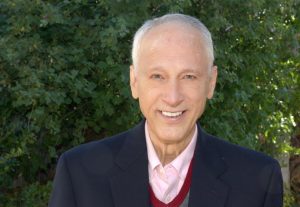
Forty years ago, Dr. William R. Kellas left a lucrative career in business, to dedicate his life to making healthy people instead of making money. He went back to school and earned his PhD in nutritional biochemistry. He founded several medical clinics, became the host of a popular radio show called a"Health Talk - a Second Opinion".
He is famous for co-founding the Center for Advanced Medicine in Southern California where he helped the sickest people on this planet to regain their health. At that clinic Dr. Kellas gained a strong understanding of the ability of food to transform health. He put his nutritional biochemistry education to great use in designing the world's healthiest food supplements. Dr. Kellas most wants to be remembered for saying that “the path to health requires eliminating nutrient deficiencies and toxicities”
Food is the way of health not vitamins!
Ricotriene fits with the “first rule of health” which is that food should be our medicine. Ricotriene also fits with our second rule of health, which is that food engenders health, not vitamins. The United States has among the worst health statistics of all industrialized nations, yet the people of the United States consume more vitamins that the rest of the world combined. That means that you will eventually find, as so many others have already found, that your health will never really start to improve until you give up on vitamins and turn to food. It's time to turn to food!
- Vitamins, IE nutrient isolates (often made in a laboratory), may look powerful and awesome on the label, but they don’t work as well in the human body as one would hope because they lack the many needed co-factors. Food comes with many needed co-factors nutrients.
- The lack of co-factors is the basic problem of vitamin supplements. Without those co-factors, they're NOT as useful to our cells. For instance, Vitamin C is not just ascorbic acid but rather it is: ascorbic acid and numerous co-factors that work in the cells like catalysts or tag teams to make chemical reactions occur. The many co-factors are present in foods, but are not in vitamin isolates. The result, therefore, of taking vitamins is that the body has to scavenge body tissues to obtain the needed co-factors, or wait until they are available or the body may simply discard the nutrients for which co-factors are not available. This is extra work and/or a waste of nutrients, and therefore, vitamin isolates, do far less to improve health than does food.
Ricotriene Ordering Form
Comparative Retail Price: $65.00 per canister.
Forever Friends Price: $57.95
Ricotriene
How to Use
- Take one to six tablespoons several times a day.
- However, if Ricotriene is a new food for you, you may wish to start at a fourth of the normal dosing and go up from there slowly, to make sure your body adjusts to the results of eating Ricotriene, which include killing Candida and accelerating detoxification. Everyone's responses are individualistic, and slow is often better when introducing anything new.
- Ricotriene may be mixed in any liquid, or food (that is below 120 degrees F), or eaten dry.
- Ricotriene is wonderful stirred into oatmeal (after it has cooled), yogurt, cottage cheese, etc., or made into delicious treats by mixing Ricotriene, peanut or almond butter, and coconut powder or coconut oil, then rolled into balls and cooled, to be served served as no-bake treats.
Audios about Ricotriene
We disclaim any claims (if there are any) made in these videos or audios. They are for information, education, enlightenment and entertainment only.

