800.704.0986 
- Improving lives since 2002
- Fast, Friendly Service
- Free Nutritional Counseling
The key to health is eliminating toxicities and deficiencies! - Dr. William R. Kellas


800.704.0986
The key to health is eliminating toxicities and deficiencies! - Dr. William R. Kellas
We all want to meet the years ahead with strength, clarity, and vitality—to keep moving, stay engaged in our own lives, and be present for the people and moments we love.
Food matters deeply. But even when we choose carefully, we can’t control every step from soil to table, and our nutritional needs change with age, activity, stress, and health. Thoughtful supplementation is a vital part of a serious health plan—a practical way to add targeted nutrients and compounds alongside high-quality food that nourishes the body.
No single supplement can do every job. Different nutrients and compounds play different roles, so a well-considered supplement routine may include several carefully chosen products. They complement the daily foundations of health: excellent food, movement, restorative sleep, and thoughtful attention to the body’s natural detoxification processes.
We’ve brought together our top 20 supplements to help you explore this broader approach to health. Learn what makes each one distinct, how it may fit into a thoughtful routine, and which choices align with the life you want to keep living. Your health is worth that kind of attention—and we’re glad to walk you through the options.
How to Use This List
This is not a command to take 20 supplements every day. It is a map of leverage. After roughly 30 years of studying health, testing products, serving customers, and watching real-world patterns repeat, Kent is showing you the tools he believes most people should understand before health becomes harder to rebuild.
Your job is simple: find the bottleneck. Low energy? Start with cellular-energy tools. Poor sleep? Fix recovery. Gut trouble? Open the gatekeepers. Blood sugar swings? Support metabolic control. Joint discomfort, inflammation, brain fog, or weak recovery? Go straight to the category that matches.
Most people wait because they assume they will be the exception. They believe they can catch up later. Kent has seen that gamble fail too many times, because when health goes, it can be like the floor has fallen away... and there isn't time to climb back up. Health is easier to protect than to repair, and the best time to learn what works is before the warning lights get loud.
Food still comes first. But even excellent food may not reliably supply every nutrient, cofactor, protective compound, and repair signal needed for lifelong strength, clarity, mobility, and resilience. Strategic supplementation is not clutter; it is intelligent maintenance for a body you cannot replace.
Use this page like a future owner’s manual: start with one foundation, add one targeted support for your biggest bottleneck, use both consistently for 30 days, then refine. You do not need all 20 today. You need the next right tool.
What daily habits — and which smart supplements — will you choose now to keep your one body strong, clear, mobile, and resilient?
Most people do not lose vitality in one dramatic moment. They lose it by small daily neglect: less muscle, weaker recovery, lighter sleep, sluggish digestion, rising inflammation, poorer glucose control, and a brain that no longer has the same energetic margin.
There is a wiser path than waiting. Eat real, nourishing food, including food-based support like E7. Move your body. Sleep deeply. Then use targeted supplements to reinforce the systems that determine whether you stay strong: cellular energy, structural repair, antioxidant defense, circulation, gut health, glucose handling, and calm nervous-system recovery.
Why It Matters
Practical Tips
The Science in Brief
2. Creatine
Why It Matters
Practical Tips
The Science in Brief
Why It Matters
Practical Tips
The Science in Brief
4. Parent Essential (Omega) Oils
Why It Matters
Practical Tips
The Science in Brief
5. Original Glutathione Formula
Why It Matters
Practical Tips
The Science in Brief
Why It Matters
Practical Tips
The Science in Brief
Because no single pathway can outperform a body missing essential nutrients.
Why It Matters
Key Benefits (High Impact)
Practical Tips
The Science in Brief
8. Soil Based Organisms/Probiotics
Why It Matters
Practical Tips
The Science in Brief
Why It Matters
Practical Tips
The Science in Brief
10. Collagen
Why It Matters
Practical Tips
The Science in Brief
Why It Matters
Practical Tips
The Science in Brief
12. Taurine
Why It Matters
Key Benefits
Practical Tips
The Science in Brief
13. Sleep Support Nutrients
Why It Matters
Key Benefits
Practical Tips
The Science in Brief
14. Nuchido TIME+
Why It Matters
Practical Tips
The Science in Brief
15. Sulforaphane
Why It Matters
Practical Tips
The Science in Brief
16. Dihydroberberine
Why It Matters
Practical Tips
The Science in Brief
Why It Matters
Practical Tips
The Science in Brief
18. Rhodiola
Why It Matters
Key Benefits (High Impact)
Practical Tips
The Science in Brief
19. Spermidine
Why It Matters
Practical Tips
The Science in Brief
20. Cleanzym (Digestion Support)
Why It Matters
Practical Tips
The Science in Brief
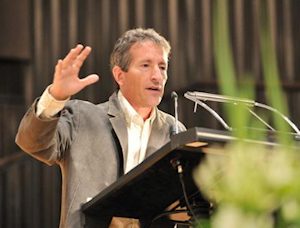
Ron Rosedale is an internationally known expert in nutritional and metabolic medicine whose work with diabetics is truly groundbreaking. Very few physicians have had such consistent success in helping diabetics to eliminate or reduce their need for insulin and to reduce heart disease without drugs or surgery.
Dr. Rosedale was founder of the Rosedale Center, co-founder of the Colorado Center for Metabolic Medicine (Boulder, CO USA) and founder of the Carolina Center of Metabolic Medicine (Asheville, NC). Through these centers, he has helped thousands suffering from so-called incurable diseases to regain their health.
One of Dr. Rosedale's life goals is to wipe out type II diabetes in this country as a model for the world. He also has written a book,"The Rosedale Diet", covering his proven treatment methods for diabetes, cardiovascular disease, arthritis, osteoporosis and other chronic diseases of aging.
Dr. Valter Longo, a professor of gerontology and biological sciences at the University of Southern California, is renowned for his research on fasting-mimicking diets and their impact on aging and longevity. He advocates that specific dietary patterns can activate cellular regeneration and promote a longer, healthier life.
Dr. Luigi Fontana, a physician and researcher, has extensively studied the effects of calorie restriction and plant-based diets on aging. He posits that such dietary interventions can significantly extend lifespan and healthspan. In his book, "The Path to Longevity," he discusses how a nutrient-rich, low-calorie diet can promote longevity.
Dan Buettner, a National Geographic Fellow and author, has identified regions known as "Blue Zones," where people live significantly longer lives. He attributes this longevity to lifestyle factors, including plant-based diets, regular physical activity, and strong social connections.
Dr. Elizabeth Blackburn, a Nobel laureate, has conducted pioneering research on telomeres—the protective caps on chromosomes—and their role in aging. She suggests that lifestyle choices, such as a balanced diet, stress management, and regular exercise, can maintain telomere length and promote healthy aging.
Dr. Peter Attia, a physician focusing on the science of longevity, emphasizes that lifestyle interventions, including nutrition, exercise, and stress management, can significantly impact lifespan and healthspan. In his book, "Outlive: The Science and Art of Longevity," he explores these concepts in depth.
Tech entrepreneur Bryan Johnson has embarked on an ambitious endeavor known as "Project Blueprint," aiming to rejuvenate his body's biological age. Through a meticulously structured regimen encompassing a strict vegan diet, precise supplementation, regular exercise, and advanced medical interventions, Johnson reports remarkable results. He claims to have reduced his biological age by over five years, effectively aging only eight months for every chronological year. This suggests a significant deceleration in the aging process, offering a glimpse into the potential of dedicated lifestyle modifications and medical innovations.
Read more about Bryan Johnson's Project Blueprint
Harvard geneticist Dr. David Sinclair has been at the forefront of aging research, proposing that aging is a condition that can be targeted and potentially reversed. His studies have demonstrated that certain molecules, such as NAD⁺ boosters, can activate sirtuin genes associated with longevity. Notably, Sinclair's lab has successfully reversed age-related vision loss in mice by reprogramming cells to a more youthful state, highlighting the profound possibilities of cellular rejuvenation.
Read more about Dr. David Sinclair's research
Beyond individual efforts, the scientific community is exploring various compounds with anti-aging properties. For instance, the diabetes medication metformin is under investigation for its potential to mimic the effects of caloric restriction, a known factor in extending lifespan. Additionally, research into NAD⁺ precursors like NMN shows promise in enhancing cellular repair mechanisms, thereby slowing down aspects of the aging process.
Read more about NAD⁺ precursors and aging research
While these developments are promising, it's essential to approach them with a balanced perspective. Ongoing research and clinical trials are crucial to fully understand the long-term implications and safety of these interventions. Nonetheless, the convergence of disciplined lifestyle choices and cutting-edge science is paving the way toward a future where extended youthfulness could become a reality.
For a deeper dive into Bryan Johnson's approach, you might find this video insightful:


Copyright 2002 - 2026. All rights reserved.
These statements have not been evaluated by the Food and Drug Administration. No product mentioned herein is intended to diagnose, treat, cure or prevent any disease. If you are pregnant, nursing, taking medication, or have a medical condition, consult your physician before making any lifestyle change, including trying a new product or food.
The information on this website is intended as a sharing of knowledge and information from the research and experience of the Healthy-Living.Org staff and contributors. It is not intended to replace a one-on-one relationship with a qualified health care professional and it is not intended as medical advice. You should not use the information on this site for diagnosis or treatment of any health problem or for modification of any medication regimen. You should consult with a healthcare professional before starting any diet, exercise or supplementation program, before starting or discontinuing any medication, or if you suspect you have a health problem. You should keep in mind that cited references to ongoing nutritional scientific study are most likely not accepted by the FDA as conclusive. These references and mentions of benefits experienced by others are disavowed as product claims and are only included for educational value and as starting points for your own research. No food or supplement can be considered safe for all individuals. What may benefit 999,999 of a million people may harm you. Therefore, no one can take responsibility for your health except you in concert with your trusted health professional.